
Contextual Intelligence and the Bible
Issue #4 of a new weekly series

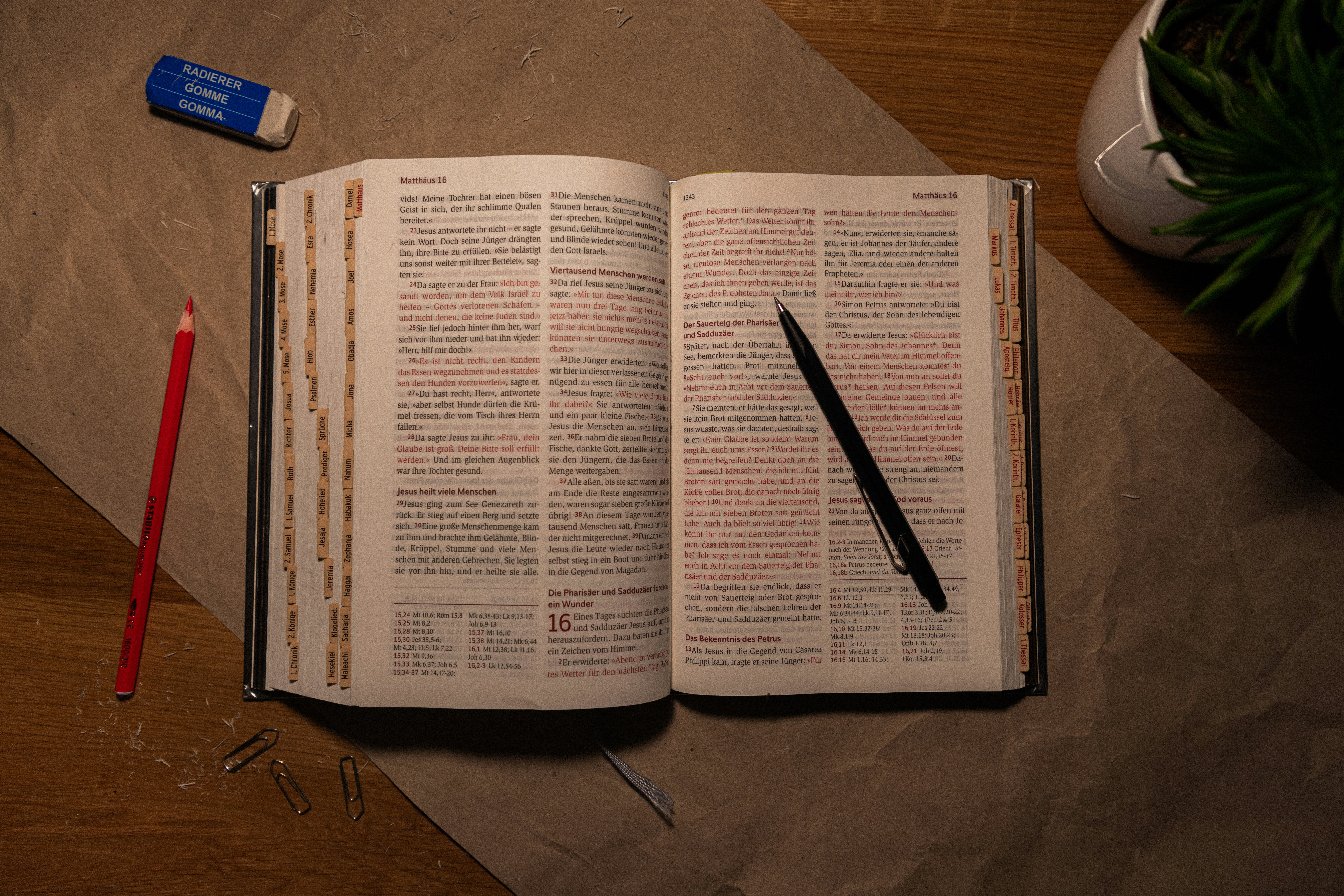
The Bible makes its way into Texas classrooms...
I went to a Christian elementary school, so having a Bible class was part of the daily schedule. We read the Bible, but the purpose of the class was really about our souls and how to live a Christian-centered life.
When I went to college, I read the Bible as an academic text. It was part of the syllabus alongside the Quran, and we pulled it apart and critiqued it like any other book in the class.
Same text. Two different purposes and experiences.
On Friday, June 26th, the Texas State Board of Education approved a mandatory reading list for public schools that includes Bible stories. The vote was approved alongside a rewrite of K–8 social studies lessons that places greater emphasis on Christianity, Texas, and U.S. history while reducing some previous attention to racial, geographic, and cultural diversity. These changes are scheduled to begin rolling out in 2030.
The question now arises: what types of experiences will Texas students have with the stories that are now part of the mandatory curriculum?
The same Bible passage can be experienced very differently depending on how it is framed. Is it being studied as literature? As a historical influence on Western civilization? As evidence within a historical period? Or is it being presented as religious instruction? Those distinctions matter not only legally, but educationally. They also matter for students whose identities, faith traditions, or lived experiences may differ from those represented in the curriculum.
2030 may feel far away, but context-intelligent leaders should be planning now...
District leaders can start building their contextual intelligence now by tracking policy developments, understanding implementation timelines, and anticipating the support educators will need. Teachers will likely have questions about instructional expectations, appropriate classroom discussions, and how to create learning environments where every student feels both challenged and respected. Families may have questions as well, bringing a range of perspectives and emotions into school communities.
Regardless of where you stand on the decision, one thing is certain: school and district leaders now have another example of why contextual intelligence matters.
Navigating Power, Harnessing Possibility is HERE:
Navigating Power, Harnessing Possibility: A Guide for Leading Schools Through Uncertain Times is out! If you got a copy of the book, I would appreciate an Amazon book review. It helps others find out about it.
I’m working on a digital train-the-trainer workbook for facilitators who want to integrate the book into their professional learning and course syllabi. That will be available soon!
Other Ways to Partner With Leading-Within:
Grounded in Navigating Power, Harnessing Possibility: A Guide for Leading Schools Through Uncertain Times, these individual and small group coaching sessions equip system- and school-level leaders to effectively navigate the formal and informal political landscapes that shape their work. Leaders build the awareness, strategy, and confidence needed to exercise influence, make principled decisions, and lead through uncertainty with intention.
Our keynote speaking services engage school leaders in critical conversations that shape their work and influence. Focus areas include supporting leaders of color, navigating today’s political landscape, and leading systems-level transformation, offering participants practical tools and perspectives to lead with clarity and purpose.
Research and writing services support schools and organizations in assessing and documenting their learning across programs and initiatives. This work includes partnering to evaluate impact to produce clear, compelling reports, as well as writing and editing journal articles that highlight best practices across the diaspora.
Reach out to mary@mriceboothe.com to discuss more.
If this is your first time reading, please go back and read my Introduction post.
Thanks for reading! Let me know what you think. If you like it, please share it with your network and don’t forget to hit the “heart” button and leave a comment.
This distinction between “soul formation” and “academic text” is exactly what’s at stake. I had both experiences too, and the frame the teacher sets changes everything for students in the room. In the case of Africa it would have been perfect in the of the moral lessons that could be drawn from it. You know how corruption has swallowed Africa and the need for reformation.