
Using Contextual Intelligence to Navigate School Policing
A new weekly series: Contextual Intelligence in Action

New Weekly Series: Contextual Intelligence in Action
Every Wednesday, you can look out for an unpacking of an event happening on a national and/or state level and how a leader can use contextual intelligence to respond…we are starting in my current home state of Texas; however, the topic of school safety is being felt across the country….
Using Contextual Intelligence to Navigate School Policing
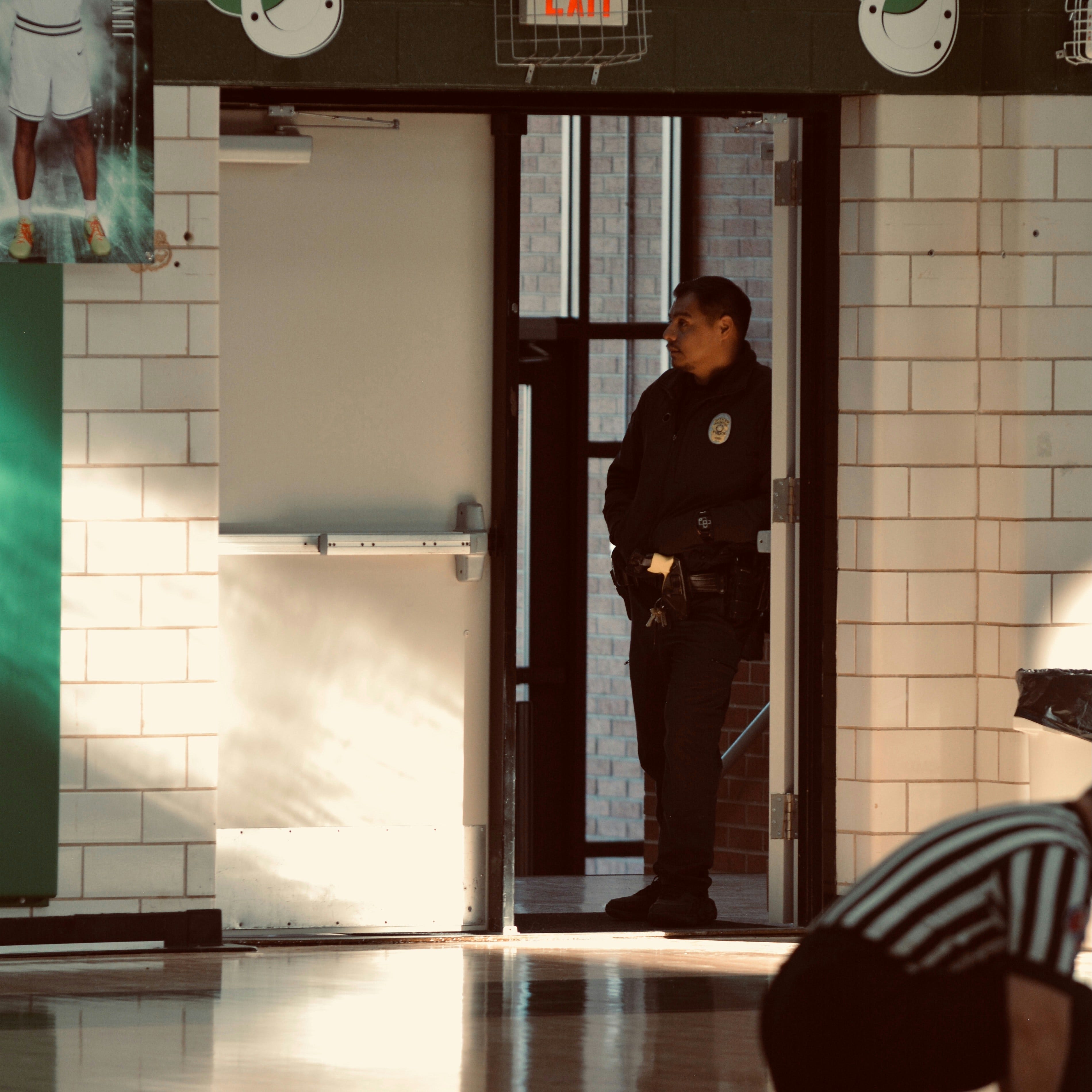
In the wake of the 2022 tragedy in Uvalde, Texas, lawmakers sought to ensure that schools were better protected from future acts of violence. The result was a significant expansion of school policing, including a requirement that public schools have armed security personnel on campus. Billions of dollars were invested in school safety initiatives, and districts across the state of Texas worked quickly to comply.
Yet several years later, a different set of questions has emerged. Investigative reporting found that increased police presence has coincided with thousands of student encounters involving force, often for relatively minor disciplinary issues. Students have been tackled, pepper-sprayed, handcuffed, and arrested in situations that many educators believe could have been addressed through school-based interventions. The findings raise a critical leadership question: How do leaders create schools that are both safe and supportive?
This is where contextual intelligence matters.
A leader using contextual intelligence understands that every policy exists within a larger societal, institutional, and human context. The societal condition in this case is clear. Communities remain deeply affected by fears of school violence. Families want their children protected. Policymakers feel pressure to demonstrate action. Understanding these realities helps leaders avoid simplistic reactions that either dismiss safety concerns or ignore the unintended consequences of increased policing.
At the institutional level, leaders must evaluate how policies are actually being implemented inside schools. The presence of an officer is not inherently the problem; the question is how the system defines the officer’s role. Are officers responding to true safety threats, or are they becoming the default response to student behavior? Are educators, counselors, and administrators equipped to address conflict before law enforcement becomes involved? Contextually intelligent leaders examine discipline data, use-of-force reports, student surveys, and family feedback to understand whether the system is producing the intended outcomes.
The individual dimension is equally important. Students experiencing trauma, disability-related needs, mental health challenges, or adolescent frustration often require support rather than punishment. Leaders who practice contextual intelligence recognize that behavior communicates information. Instead of asking, “How do we control students?” they ask, “What conditions are producing this behavior, and how can we respond more effectively?” This shift changes the conversation from compliance to belonging.
The lesson is not that safety should be abandoned. The lesson is that safety cannot be reduced to a single solution. Contextual intelligence reminds us that every intervention creates ripple effects throughout a system. Strong leaders remain attentive to those effects, continuously asking whether the conditions they are creating align with the outcomes they seek.
The challenge facing education leaders today is not choosing between safety and belonging. It is building systems where both can exist together.
Navigating Power, Harnessing Possibility is HERE:
Navigating Power, Harnessing Possibility: A Guide for Leading Schools Through Uncertain Times is out! If you got a copy of the book, I would appreciate an Amazon book review. It helps others find out about it.
Wednesday, June 17th at 11 am CST, I will be hosting the FREE workshop, Leading Through Uncertainty: A Navigating Power Workshop AGAIN. An interactive workshop for education leaders and those who support them to gain skills and knowledge to lead within their own context. You can register here.
I’m working on a digital train-the-trainer workbook for facilitators who want to integrate the book into their professional learning and course syllabi. That will be available soon!
Other Ways to Partner With Leading-Within:
Grounded in Navigating Power, Harnessing Possibility: A Guide for Leading Schools Through Uncertain Times, these individual and small group coaching sessions equip system- and school-level leaders to effectively navigate the formal and informal political landscapes that shape their work. Leaders build the awareness, strategy, and confidence needed to exercise influence, make principled decisions, and lead through uncertainty with intention.
Our keynote speaking services engage school leaders in critical conversations that shape their work and influence. Focus areas include supporting leaders of color, navigating today’s political landscape, and leading systems-level transformation, offering participants practical tools and perspectives to lead with clarity and purpose.
Research and writing services support schools and organizations in assessing and documenting their learning across programs and initiatives. This work includes partnering to evaluate impact to produce clear, compelling reports, as well as writing and editing journal articles that highlight best practices across the diaspora.
Reach out to mary@mriceboothe.com to discuss more.
If this is your first time reading, please go back and read my Introduction post.
Thanks for reading! Let me know what you think. If you like it, please share it with your network and don’t forget to hit the “heart” button and leave a comment.
Love this idea of tackling today's real problems through contextual intelligence. Great post, Mary!